
From Service to Stability: Helping Veterans Unlock the Benefits They Earned
- Irene Basdakis
- Feb 13
- 3 min read
At Grandma’s House of Hope, housing is only the beginning. For the veterans in our Behavioral Health Bridge Housing program, true stability comes from something deeper: understanding, advocacy, and access to the benefits they earned through their service.
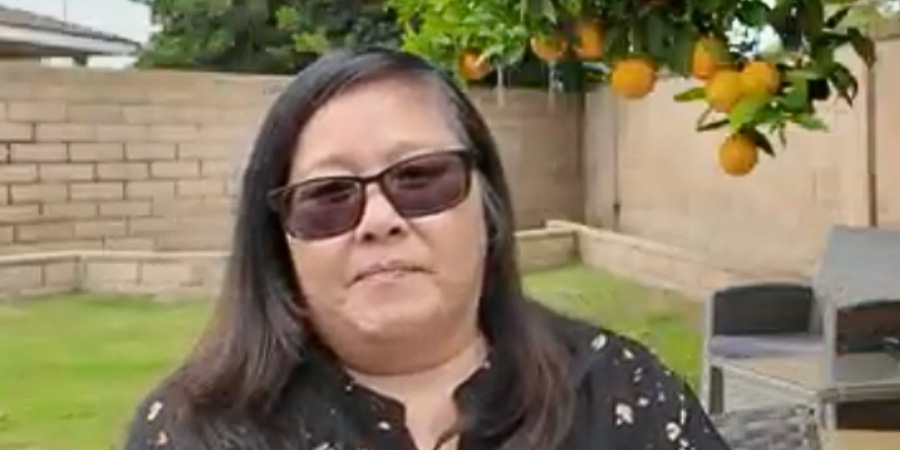
Heather Vega, Case Manager at our Veterans Behavioral Health House, sees this work as both a calling and a responsibility.
“A lot of the men who come to us served our country, but they have no idea what they’re entitled to,” she explains. “Some aren’t even connected to the VA when they arrive.”
That’s where the journey begins.
Turning Service Into Support
Many veterans enter the program without a VA disability rating—or with a rating far lower than what reflects their lived experience. A VA rating is more than a number. It determines access to income, medical care, mental health services, long-term nursing care, and even burial benefits. A higher rating can mean the difference between ongoing instability and lifelong security.
One of Heather’s roles is to help change that trajectory.
When a veteran enters the house, she conducts a comprehensive assessment—reviewing discharge papers, medical history, and service-related trauma. For some, this means addressing barriers like an “other than honorable” discharge. Through deep networking and partnerships with organizations like Veterans Legal Institute, Heather helps veterans pursue discharge upgrades and VA claims that many never knew were possible.
One veteran, a Vietnam-era serviceman, came to Grandma’s House of Hope with no disability rating at all—after decades of service-related trauma. Through advocacy and legal support, his rating increased from 0% to 90%. Today, he receives monthly income and lifelong benefits from the VA.
“That’s life-changing,” Heather says. “And it stays with them for the rest of their life.”
Advocacy That Goes Deeper
Increasing a VA rating isn’t just paperwork—it’s persistence, education, and trust. Heather ensures veterans are connected to specialized VA doctors, especially for conditions like PTSD, where veteran-specific care matters. She walks alongside them through medical appointments, benefits applications, and follow-ups.
But the impact goes beyond benefits.
As veterans stabilize medically and financially, their confidence returns. One resident entered the program with severe PTSD, struggling daily. Over time, with the right care and support, he reached a healthy baseline—and now serves as a community leader in the house, helping other veterans find their footing.
“That growth,” Heather shares, “is why we do this.”
Building a Foundation for the Future
The goal is always permanent housing—but sustainability is the mission. While veterans wait for housing placements, they’re building skills for long-term success: budgeting, saving, cooking, managing medications, and navigating relationships in the community.
They eat together. Celebrate birthdays. Talk openly. Heal together.
When veterans move into permanent housing, care continues through Grandma’s House of Hope’s AfterCare Program, for up to two years—offering budgeting help, emotional support, weekly check-ins, and a safety net during the quiet transition to independence.
“We’re preparing them not just to be housed,” Heather says, “but to thrive.”
Why It Matters
What sets Grandma’s House of Hope apart isn’t the number of beds—it’s the depth of care. We don’t just connect veterans to services; we advocate on their level. We meet them where they are and walk with them toward where they’re meant to be.
For veterans who once felt forgotten, a higher VA rating is more than a benefit—it’s recognition. It’s dignity restored. It’s proof that their service mattered.
“They gave,” Heather says simply. “So we give back to them.”
And at Grandma’s House of Hope, that advocacy can change a life—forever.


Comments